
Bread is comfort food for many of us. So, when someone switches to the paleo diet, one of the first questions that pops up is, “Can I still eat bread?” That’s where the real conversation about the paleo diet and bread begins.
The paleo diet focuses on eating the way our ancestors did, whole, unprocessed foods like meats, fish, vegetables, fruits, nuts, and seeds. That means grains, dairy, and refined sugars are off the list. And since bread is mostly made from grains like wheat, rye, or barley, it’s not considered paleo-friendly.
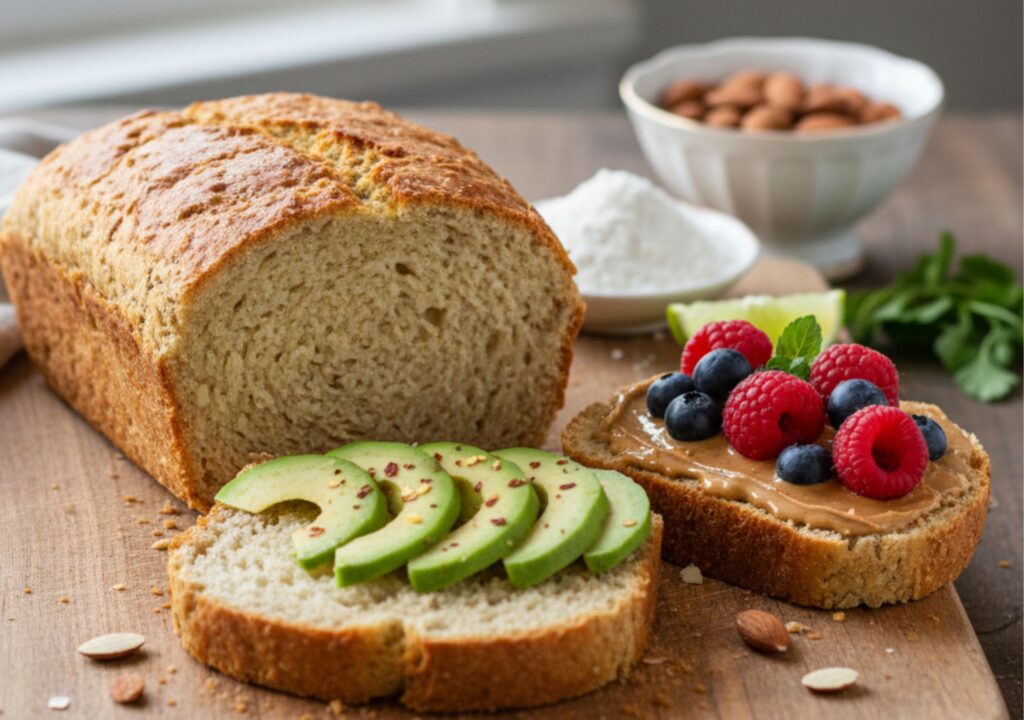
Still, giving up bread entirely isn’t easy and it doesn’t have to be. Many people today are finding smart ways to enjoy paleo-friendly bread alternatives that fit perfectly within paleo guidelines. These versions use natural ingredients like almond flour, coconut flour, or cassava flour instead of grain-based flours. They mimic the taste and texture of bread but keep your body in line with paleo principles.
Research supports this shift toward ancestral-style eating. Following a paleo diet can improve glucose control and reduce inflammation. In fact, most commercial breads today are highly processed, making them a major source of empty calories and blood sugar spikes. Now you will understand the connection between the paleo diet and bread, why traditional loaves don’t make the cut, and how you can still enjoy soft, delicious paleo breads made from nutrient-rich ingredients.
Can You Eat Bread on a Paleo Diet?
The short answer is no, you can’t eat traditional bread on the paleo diet. Paleo eating removes modern processed foods and grains. Regular bread is made from wheat or other cereal grains that the human body didn’t evolve to digest easily. These grains contain gluten and complex carbohydrates that can cause blood sugar spikes and inflammation in sensitive individuals. If you’re comparing the paleo diet with other low-carb plans like keto, our Free Keto Diet Plan offers a detailed 30-day guide to help you understand the difference in approach. Also read 7 day diet plan for fast weight loss and energy.
The paleo diet is built on foods that early humans ate before farming began. Our ancestors didn’t consume refined flours or yeasted loaves. They got their energy from meat, fruits, and root vegetables instead of baked goods. That’s why traditional bread doesn’t fit into a true paleo lifestyle.
Why Regular Bread Isn’t Paleo-Friendly
Most bread today contains refined wheat flour, preservatives, and added sugars. These ingredients trigger sharp rises in blood glucose. Over time, such foods contribute to insulin resistance and weight gain. Refined grains lose most of their fiber and nutrients during processing, leaving mainly starch.
Gluten is another reason traditional bread is avoided. It’s a protein found in wheat, barley, and rye. Research has linked gluten sensitivity to digestive problems and chronic inflammation in certain people. Paleo followers remove gluten entirely to reduce these risks and promote better gut health.
The Science Behind Eliminating Grains and Gluten
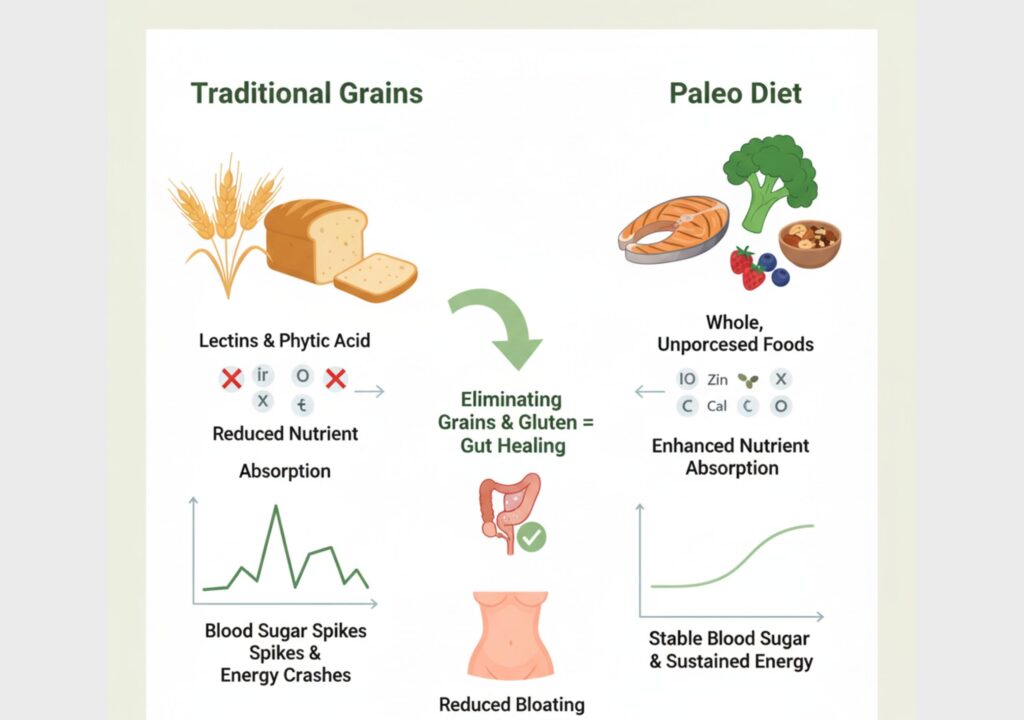
Grains are high in lectins and phytic acid, which can interfere with nutrient absorption. Studies suggest that these compounds may limit the body’s ability to absorb minerals like iron, zinc, and calcium. Paleo eating avoids such anti-nutrients to help your body get more from whole foods.
By eliminating grains and gluten, the paleo diet helps stabilize blood sugar and energy levels. It supports gut healing and reduces bloating. This doesn’t mean you must give up bread forever. It means you need to change what “bread” means in your diet.
What Is Paleo Bread Made Of?
Paleo bread looks similar to regular bread but uses grain-free ingredients. It’s made from nut and root-based flours that are high in healthy fats, fiber, and protein. These ingredients give a dense but satisfying texture while keeping your body in fat-burning mode. Common Paleo-Friendly Flours
- Almond flour: Rich in vitamin E, magnesium, and monounsaturated fats. It creates a soft, moist crumb and supports heart health.
- Coconut flour: High in fiber and low in carbs. It absorbs moisture well, giving bread a fluffy feel without raising blood sugar.
- Cassava flour: Made from the root of the cassava plant. It’s nut-free and has a neutral taste, perfect for people with allergies.
- Tapioca flour: Adds elasticity and lightness to paleo bread. It’s often used with coconut or almond flour for balance.
Each of these flours provides different nutrients. Together, they make bread that’s filling and nourishing without breaking paleo rules. Many ingredients used in paleo baking, such as coconut or almond flour, are also staples in a plant-based diet, known for supporting long-term health and longevity

Nutrient Breakdown
A slice of paleo bread (depending on recipe) usually provides 6–8 grams of fat, 4–6 grams of protein, and 2–3 grams of fiber. The carbs come mainly from natural sources like coconut or cassava rather than refined grains. This helps maintain steady energy and supports weight control.
Avoid These “Fake Paleo” Ingredients
Some store-bought brands label their loaves as “paleo” even when they’re not. Avoid breads containing corn starch, xanthan gum, soy flour, rice flour, or sugar alcohols like erythritol. These ingredients don’t belong in a true paleo diet. Always read labels and look for clean, recognizable ingredients.
Top 5 Paleo Bread Alternatives You’ll Love
Finding bread alternatives that fit the paleo lifestyle doesn’t have to be boring. There are many creative and satisfying ways to bring bread-like comfort back into your diet.
1. Sweet Potato Bread
Made from mashed sweet potatoes and eggs, this bread is naturally sweet and full of beta-carotene. It’s great for breakfast or as a pre-workout snack. Sweet potatoes give it a soft texture and support stable blood sugar levels.
2. Banana Flour Bread
Banana flour is made from green bananas. It’s gluten-free and rich in resistant starch that feeds good gut bacteria. This bread is light and slightly earthy in flavor, perfect for those who miss the softness of traditional loaves.
3. Flaxseed Bread
Flaxseeds are packed with omega-3 fatty acids and fiber. Flax bread supports digestion and heart health. It has a nutty taste and holds well for sandwiches or toast.
4. Cassava Bread
Cassava flour creates one of the most authentic paleo bread textures. It’s soft yet chewy and works well for wraps or flatbreads. It’s also nut-free, making it safe for people with nut allergies.
5. Nut-Free Paleo Bread
Many paleo breads rely on nuts, but not everyone can eat them. Nut-free versions use coconut or tiger nut flour for structure. They’re easy to digest and still rich in nutrients.
Each of these options gives you the satisfaction of bread without the downsides of grains or gluten. They help keep your diet flexible, enjoyable, and aligned with paleo principles.
Best Paleo Bread Recipes (Tried and Tested)
Homemade paleo bread lets you control every ingredient. It’s fresh, clean, and full of nutrients. These recipes are simple and tested by paleo eaters who want both health and taste. Each version fits perfectly into the paleo diet and avoids grains, dairy, and refined sugar.
1. Quick Paleo Sandwich Bread
This bread is your go-to for busy days. It’s made with almond flour, eggs, and coconut oil. You mix the batter in minutes and bake it for under half an hour. The result is a soft loaf that slices perfectly for sandwiches or toast. It stays firm without crumbling and pairs well with avocado or nut butter. It’s rich in protein and good fats that keep you full longer.
2. Soft and Fluffy Coconut Flour Bread
Coconut flour makes this bread naturally light. It absorbs moisture well, so you only need a small amount. The bread rises softly with eggs and a bit of olive oil. It’s ideal for those watching their carb intake because coconut flour is high in fiber. This recipe gives a soft bite and a slightly sweet flavor without using any added sugar.
3. No-Almond Flour Recipe (Great for Allergies)
Not everyone can eat nuts. This version uses cassava and tapioca flour instead. Both are root-based and completely grain-free. The texture is smooth and elastic which makes it perfect for wraps or toast. It’s also nut-free and gluten-free so it works for those with food sensitivities.
4. Paleo Banana Bread (Sweet Treat Version)
This is the comfort food of the paleo world. It’s sweetened only with ripe bananas. You can add cinnamon or crushed walnuts for flavor. It’s rich in potassium and fiber which support digestion and energy levels. It’s perfect for breakfast or dessert without the sugar crash that comes with regular banana bread.
5. Storage and Freshness Tips
Store homemade paleo bread in an airtight container. Keep it in the fridge for up to a week or freeze it for a month. Always let it cool before storing to prevent moisture buildup. For the best taste, toast slices before eating. Paleo bread has no preservatives so proper storage keeps it fresh and flavorful.
Paleo Bread vs Regular Bread
Understanding the difference between paleo bread and regular bread helps you make better food choices. Both may look similar but their ingredients and health effects are very different.
| Type | Calories | Carbs | Protein | Fat | Fiber | Gluten |
|---|---|---|---|---|---|---|
| Regular Wheat Bread (1 slice) | ~80 | 15g | 3g | 1g | 1g | Yes |
| Paleo Bread (1 slice) | ~120 | 6g | 5g | 8g | 3g | No |
Regular bread gets most of its calories from refined carbs. Paleo bread gets its energy from healthy fats and protein. It’s also higher in fiber which keeps you full for longer.
How Paleo Bread Impacts Blood Sugar Differently
Refined wheat flour breaks down fast in the body. This causes quick spikes in blood sugar followed by crashes. Paleo bread uses natural flours like almond or coconut flour that digest slowly. Low-glycemic foods like these help control blood glucose and improve energy balance. This is why people with insulin resistance or type 2 diabetes often find paleo bread a safer choice. It supports steady energy without triggering cravings.
Which Is Better for Weight Loss?
Paleo bread is better for weight management because it’s nutrient-dense and keeps hunger under control. It doesn’t contain refined sugars or hidden additives. Each slice provides more nutrition per bite. Regular bread often leads to overeating because it’s low in fiber and high in empty carbs. For best results, eat paleo bread in moderation. Pair it with whole foods like eggs, avocado, or lean protein. This keeps your meals balanced and satisfying.
Paleo Bread vs Keto Bread vs Gluten-Free Bread
These three types of bread often get mixed up. Each has unique ingredients and goals. Understanding the differences helps you choose what fits your body best.
Key Differences in Ingredients
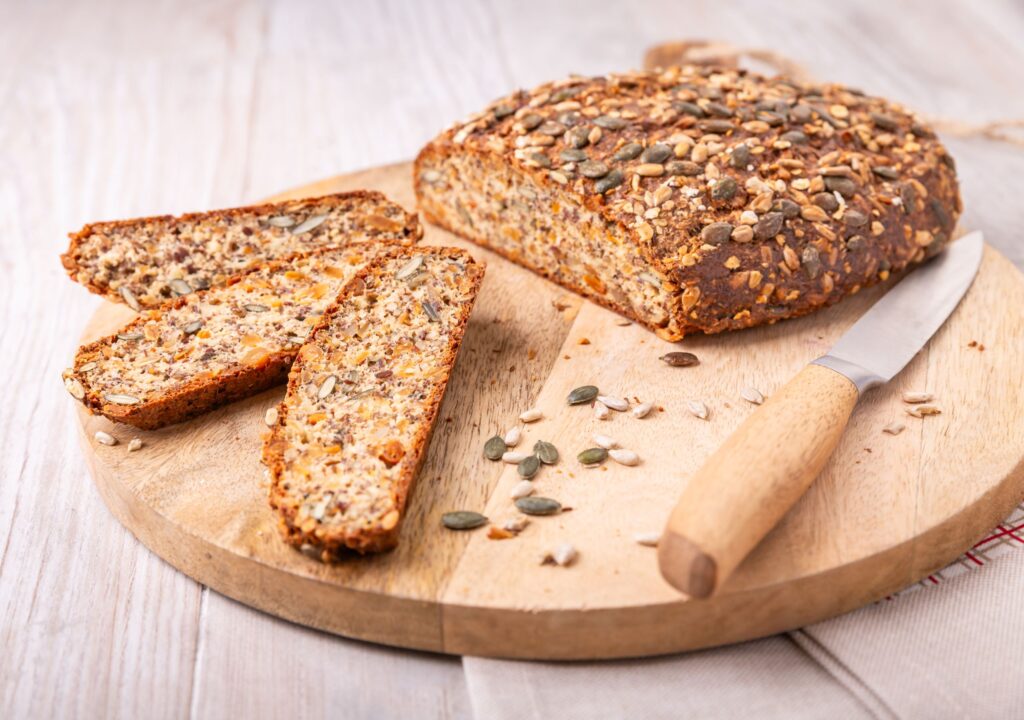
- Paleo Bread: Made from almond, coconut, or cassava flour. Grain-free and dairy-free. No artificial sweeteners.
- Keto Bread: Focuses on ultra-low carbs. Often includes eggs, cheese, or psyllium husk. Uses sugar substitutes like erythritol.
- Gluten-Free Bread: Avoids gluten but may still contain rice or corn flour. Not always paleo or low-carb.
Paleo bread focuses on natural ingredients. Keto bread focuses on carb restriction. Gluten-free bread focuses on avoiding gluten but may still be processed.
Which Is Best for Your Goals?
- If your goal is better digestion and natural eating, choose paleo bread.
- If your goal is ketosis and fast fat loss, choose keto bread.
- If you have celiac disease or gluten intolerance, gluten-free bread is a must.
Each option works for different needs. The best choice depends on how your body reacts and what you want to achieve.
Expert Advice on Mixing Dietary Approaches
You can blend approaches if done mindfully. Many nutritionists suggest combining paleo and keto for balance. That means eating paleo-approved foods while keeping carbs low. Avoid processed keto products that claim to be paleo but include gums or artificial sweeteners.
Experts also recommend rotating ingredients. Try almond flour one week and coconut flour the next. This supports gut diversity and prevents food sensitivities. Always listen to your body’s response after eating different breads. Energy, digestion, and mood are clear signals of what works for you.
Store-Bought Paleo Bread vs Homemade: Which Is Better?
Ingredient Transparency
Homemade paleo bread wins when it comes to ingredient control. You know exactly what goes into your loaf. There are no preservatives, hidden sugars, or seed oils. Most store-bought paleo breads, even the good ones, need stabilizers to extend shelf life. Always read the ingredient label carefully. Look for whole-food ingredients like almond flour, coconut flour, cassava flour, eggs, and olive oil. If you see gums or synthetic fibers, that’s a sign of over-processing.
Taste, Texture, and Shelf Life
Homemade paleo bread tastes fresher and softer. The texture depends on your flour ratio and baking time. Coconut flour gives a light crumb while almond flour adds richness. Store-bought versions are convenient but can feel dense or dry. They usually last longer because of natural preservatives or refrigeration. If you prefer freshness and flavor, bake your own. If you need quick options, keep store-bought paleo bread frozen and toast before serving.
Health Benefits of Paleo Bread
Better Digestion
Paleo bread supports gut health. It removes grains and gluten which can trigger bloating or discomfort in sensitive individuals. Ingredients like coconut and almond flour are gentle on the stomach and high in fiber, which supports smoother digestion.
Lower Inflammation
This bread avoids refined oils, dairy, and processed sugars, all known to increase inflammation. Instead, it uses natural fats like olive or coconut oil that help your body stay balanced. Regular consumption may ease joint stiffness or gut inflammation over time.
Stable Energy and Reduced Sugar Cravings
Paleo bread keeps your energy steady. The absence of refined carbs means no blood sugar spikes. The mix of protein and healthy fats gives slow energy release throughout the day. Many people find their sugar cravings drop when switching from white or wheat bread to paleo versions.
Supports Weight Management
Paleo bread fits well into weight-loss plans. It’s nutrient-dense and satiating, so you feel full longer. It discourages overeating because it doesn’t trigger hunger spikes caused by insulin swings. If paired with balanced meals, it supports sustainable weight goals.
Common Mistakes When Making Paleo Bread
Using Too Much Nut Flour
Nut flours like almonds are dense. Too much makes your bread heavy and oily. Always balance it with lighter flours like coconut or cassava. A proper mix gives a fluffy texture without extra calories.
Overmixing the Batter
Paleo bread batter should be mixed gently. Overmixing traps air and breaks down the structure. This leads to flat or gummy loaves. Combine ingredients until just blended.
Ignoring Moisture Balance (Dry Results)
Coconut flour absorbs a lot of liquid. If you skip extra eggs or fat, your bread turns dry. Follow recipes carefully and adjust moisture with a tablespoon of coconut milk or olive oil if needed.
Baking Tips for Perfect Texture
Bake paleo bread at a lower temperature for even cooking. Line your pan with parchment to prevent sticking. Let the loaf cool fully before slicing. This helps the crumb set and prevents breakage.
FAQs About the Paleo Diet and Bread
Can I eat sourdough on paleo?
Traditional sourdough isn’t paleo because it uses grains. However, you can make a grain-free sourdough using cassava or coconut flour. The fermentation still gives it that tangy flavor without gluten.
What’s the difference between grain-free and gluten-free?
Gluten-free products avoid wheat, barley, and rye. Grain-free goes further by removing all grains, including rice, corn, and oats. Paleo is always grain-free but not all gluten-free products are paleo.
How often can I eat paleo bread?
You can eat it a few times a week as part of a balanced diet. Remember it’s still calorie-dense. Use it to replace traditional bread, not as a daily indulgence.
Can paleo bread spike blood sugar?
It has a lower glycemic load than regular bread. Ingredients like almond and coconut flour release glucose slowly. Still, portion control matters. If you have diabetes, monitor your levels after eating to understand your body’s response.
Final Thoughts
Choose real ingredients that fuel your body instead of processed fillers that drain your energy. When you bake at home, you take full control over flavor and nutrition. Each loaf becomes a personal creation that supports your health goals.
If you’re new to paleo baking, start simple. Learn how each flour behaves. Coconut flour absorbs more moisture while almond flour gives richness. Once you understand the basics, you can create endless variations, from sandwich loaves to banana bread. Consistency comes with practice.
Store-bought paleo bread is still a good option when life gets busy. Just check the ingredient label before buying. Choose brands that stay true to the paleo philosophy and avoid artificial binders or preservatives.
Remember, paleo bread alone won’t transform your health. It works best as part of a balanced diet rich in protein, vegetables, and healthy fats. Use it wisely. Eat it when it fits your goals and skip it when your body needs lighter meals.
Most importantly, enjoy the process. Paleo living isn’t about perfection. It’s about progress. Every small change you make toward natural food choices supports better digestion, energy, and overall wellness.
So bake your first loaf, taste the difference, and let it remind you how real food can heal from the inside out.