
Did you know that some everyday foods could be making your thyroid work against you? Almost 1 in 8 women will develop a thyroid disorder in their lifetime, according to the American Thyroid Association. That number keeps rising, and diet plays a bigger role than most people realize. Up to 40% of thyroid patients don’t absorb their medication properly because of foods eaten around the dose. Living with thyroid issues can feel confusing. You try to eat healthy. You take your medication. Yet your energy stays low, your weight swings, and your mood shifts fast.
This well-researched article gives you clear answers backed by science. No fear. No guessing. You will learn which foods make symptoms worse and how timing affects your medication. One study in the Journal of Clinical Endocrinology & Metabolism shows certain foods delay levothyroxine absorption. This guide explores the foods that disrupt hormone balance. You will also see practical examples of what to avoid, reduce, or replace to protect your thyroid health.
What Foods Are Bad for Thyroid Health?
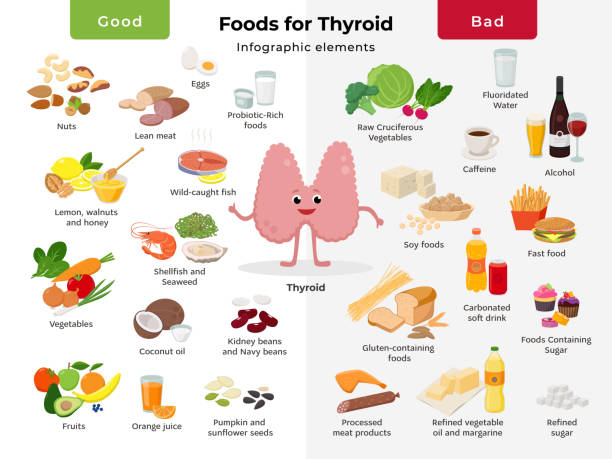
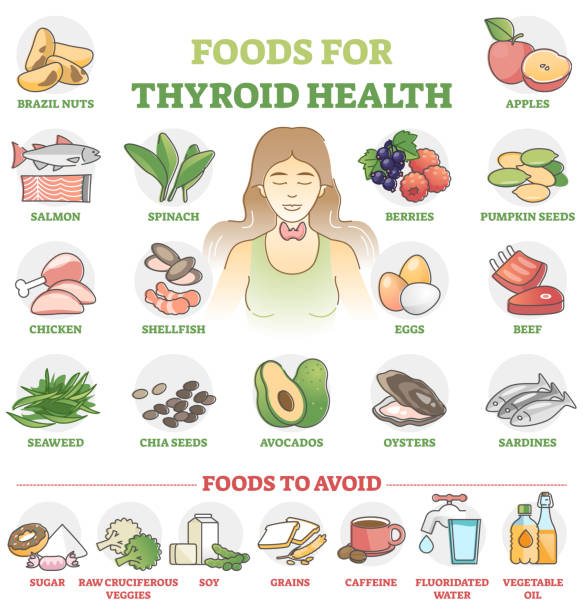
Top thyroid foods to avoid:
- Soy and soy-based products
- Raw cruciferous vegetables
- Gluten for autoimmune thyroid issues
- Millet and goitrogenic grains
- Excess iodine foods
- Processed foods
- Sugary foods
- Excess caffeine
- Dairy for sensitive patients
- Alcohol
These foods can block thyroid hormone production, slow T4 → T3 conversion, increase inflammation, or interfere with medication absorption. Coffee, soy, milk, high-fiber foods, calcium, and iron are the main culprits. Awareness and timing matter. A simple timing chart is included later for reference.
Thyroid Medication Timing: Foods You MUST Avoid Around Levothyroxine
Your body absorbs levothyroxine best on an empty stomach. Most studies recommend waiting 45–60 minutes before eating. This window allows the medicine to move out of the stomach and into the small intestine. That is where absorption happens.
Night dosing works for many people if the stomach is empty for two hours before sleep. Pick one routine. Stay consistent. Your hormone levels respond to routine.
Foods and Drinks That Block Thyroid Medication Absorption
- High-fiber foods: Eat fiber 2–4 hours after medication to avoid reduced absorption.
- Soy: Wait at least 4 hours after medication. Includes soy milk, tofu, soy protein.
- Coffee: Wait 60 minutes after levothyroxine. Energy drinks can have stronger effects.
- Milk and dairy: Contains calcium; keep 4 hours away.
- Calcium-rich foods: Fortified juices, supplements, multivitamins; 4-hour gap.
- Iron supplements: Keep 4 hours away; timing is critical for stable absorption.
Sample Daily Thyroid-Friendly Routine
- 6:30 AM: Levothyroxine with water. Stay upright.
- 7:30 AM: Breakfast with protein and healthy fats. Avoid soy, dairy, high-fiber cereals.
- 9:30 AM: Coffee or tea if desired.
- 12:30 PM: Lunch including fiber, dairy, or soy.
- 4:00 PM: Iron or calcium supplements.
- 7:30 PM: Dinner, balanced portions. Avoid very heavy meals if reflux.
- 10:00 PM: Optional night dose if doctor approves; empty stomach for 2 hours.
This routine protects absorption. It also supports stable energy. Adjust the times to fit your lifestyle. Keep the gaps consistent.
10 Thyroid Foods to Avoid for Hypothyroidism, Hyperthyroidism & Hashimoto’s
People with thyroid conditions often react strongly to specific foods. These foods disrupt hormone balance or interfere with medication. This guide explains each trigger clearly and gives safe alternatives.
1. Soy & Soy-Based Products
Soy contains goitrogens, which can block iodine absorption and slow down thyroid function. Avoid excessive soy milk, tofu, and soy chunks, especially if you have hypothyroidism.
Soy contains isoflavones that slow thyroid hormone production. This effect becomes stronger in people with low iodine levels. Soy also reduces levothyroxine absorption when eaten close to medication. Many patients notice fatigue and bloating when soy intake is high.
Large portions add more strain. Intake above 25–30 grams of soy protein a day can shift thyroid markers in sensitive people. You can keep soy in your diet if you eat it four hours after your medication. This timing protects absorption. Choose alternatives like chickpeas, lentils, or almond milk when you want protein without hormone interference.
2. Cruciferous Vegetables
Vegetables like broccoli, cauliflower, cabbage, kale, brussels sprouts, radish, watercress, bok choy, horseradish, and arugula are rich in goitrogens, which may impact iodine absorption. These vegetables contain goitrogens that reduce iodine uptake only when eaten raw in large amounts. Most people can eat them safely because the risk drops when iodine levels are normal.
Cooking, steaming, or fermenting these vegetables reduces this effect, so avoid eating them raw in large amounts. Cooking lowers goitrogen levels. Boiling for three to four minutes removes most of the effect. Steaming also reduces impact. One cooked cup a day works well for thyroid patients. People with Hashimoto’s can adjust the amount based on digestion and comfort.
3. Gluten
Gluten can trigger inflammation and worsen autoimmune thyroid conditions like Hashimoto’s thyroiditis. Avoid wheat, barley, and rye to help improve thyroid function. Gluten antibodies can cross-react with thyroid tissue due to molecular mimicry, worsening hypothyroid symptoms. This reaction leads to fatigue and slow metabolism in sensitive individuals.
A gluten-free diet reduces inflammation for many patients. You can check sensitivity through blood tests or a short elimination trial. A 30-day gluten break gives clear feedback. Remove wheat barley and rye for 30 days. Add them back and watch how your energy changes. This method helps you understand your tolerance without guesswork.
4. Excess Iodine Foods
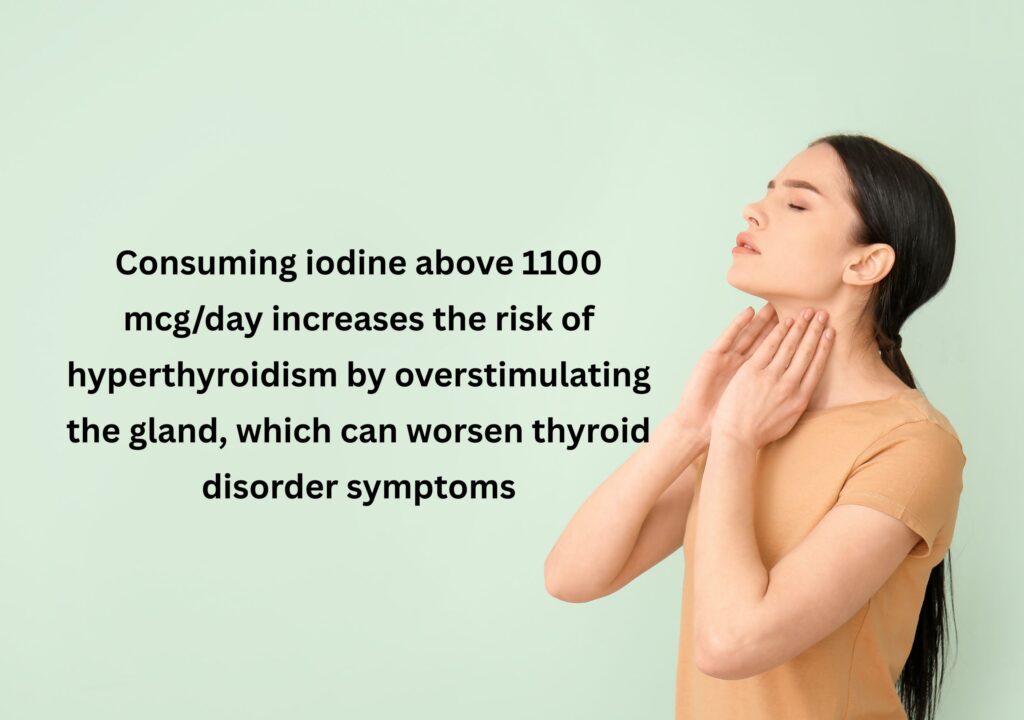
Seaweed. Kelp. Fish roe. These foods contain extremely high iodine levels. Too much iodine pushes the thyroid into an overactive state. Hyperthyroidism becomes more likely when intake stays high for long periods.
Use iodized salt only when your doctor recommends it. Many people already meet daily iodine needs through regular meals. The safe upper limit for adults is 1100 mcg per day. Staying below this keeps thyroid hormones stable and prevents sudden spikes.
5. Millet & Goitrogenic Grains
Millet contains goitrogens that stay active even after cooking. This grain has a stronger impact on thyroid hormones than commonly believed. Regular intake slows metabolism in people with hypothyroidism.
Millet roti and millet porridge are common in South Asian and African diets. People who eat these daily often notice fatigue or hair shedding. Eating millet once or twice a week is safer for thyroid balance.
6. Highly Processed Foods
Processed foods contain preservatives and high sodium levels. These ingredients increase inflammation and water retention. They also slow digestion which makes weight gain easier in hypothyroidism.
Packaged snacks, frozen meals, and fast food are loaded with preservatives, artificial additives, and trans fats, which increase inflammation and worsen thyroid function over time. Your body works harder to process artificial ingredients when thyroid function is low. Fresh meals and whole ingredients reduce inflammation and support metabolism. Choose home-cooked meals whenever possible.
7. Sugary Foods & Drinks
Sodas, energy drinks, and sugary juices cause blood sugar spikes and inflammation, making it harder for the thyroid to function properly. Excessive sugar also disrupts metabolism and hormone balance. Sugar triggers inflammation and disrupts hormone conversion. High sugar intake increases insulin levels which slows the conversion of T4 into active T3. This reaction leads to low energy and frequent cravings.
Sugary drinks cause the fastest spikes. These spikes impact weight and mood. Better choices include small amounts of honey coconut sugar or stevia. These options create fewer fluctuations.
8. Excess Caffeine
Too much caffeine can stress your adrenal glands and interfere with thyroid medication absorption. Caffeine blocks levothyroxine absorption when taken too soon after medication. It does not harm the thyroid directly. Timing creates the main problem.
Wait at least sixty minutes after taking levothyroxine before drinking coffee or tea. Energy drinks create a stronger effect because they contain additional stimulants. Limit coffee, energy drinks, and strong tea. People with hyperthyroidism feel more anxiety and heart rate changes with caffeine so limiting intake helps increase comfort.
9. Dairy for Sensitive or Autoimmune Thyroid Patients
Dairy triggers inflammation in people who react to casein or lactose. This reaction affects the gut and increases autoimmune activity. Many patients notice bloating fatigue or acne after eating dairy.
Safe options include lactose-free milk and probiotic yogurt. Plant-based milk such as oat or almond also works well. These choices support digestion without creating inflammation.
10. Alcohol & Smoking
Alcohol reduces how efficiently the thyroid produces hormones. The liver plays a major role in converting T4 to T3. Alcohol slows this conversion which reduces energy levels.
Smoking increases the risk of Graves’ disease. It also worsens eye symptoms in thyroid eye disease. Stopping smoking improves hormone stability and reduces complications for hyperthyroid patients.
Foods to Avoid for Hypothyroidism
Hypothyroidism slows metabolism. This creates more sensitivity to foods that block iodine uptake or interfere with medication.
- Goitrogens: Large amounts of raw goitrogenic foods reduce iodine use. This makes the thyroid work harder. Light cooking lowers this effect. Cook these vegetables when you eat them often.
- Soy: Soy blocks thyroid hormone production in people with low iodine. It also reduces levothyroxine absorption. Keep a four-hour gap between soy and your medication. This timing protects hormone stability.
- Gluten for Hashimoto’s: Many people with Hashimoto’s feel better without gluten. Gluten increases inflammation in sensitive individuals. A short elimination trial helps you understand your own tolerance.
- High-fiber foods near medication: Fiber binds to levothyroxine. This reduces absorption. Eat high-fiber foods two to three hours after your medication. This timing keeps your levels stable.
Foods to Avoid for Hyperthyroidism
Hyperthyroidism increases heart rate. It also increases sensitivity to stimulants and high-iodine foods.
- Iodine-rich foods: Seaweed. Kelp. Iodine supplements. These foods overstimulate the thyroid. They increase hormone production in hyperthyroid patients. Lower iodine intake helps reduce symptoms.
- Caffeine: Caffeine raises heart rate. It increases anxiety. It also intensifies tremors. Many hyperthyroid patients feel better with limited or no caffeine.
- Seaweed snacks: Seaweed snacks contain extremely high iodine levels. Even small amounts can strain the thyroid. Avoid these when your hormones run high.
- Supplements containing iodine: Many multivitamins contain added iodine. Hyperthyroid patients do not need this extra iodine. Always check the label before buying supplements.
Foods to Avoid for Hashimoto’s Thyroiditis
Hashimoto’s is an autoimmune condition. The immune system reacts to specific foods and increases inflammation. Reducing triggers gives the thyroid space to heal.
- Gluten: Gluten is a strong inflammatory trigger for many Hashimoto’s patients. Removing gluten often reduces antibody levels.
- Dairy: Dairy irritates the gut in sensitive people. This increases inflammation and autoimmune activity. Lactose-free and plant-based options reduce these reactions.
- Excess sugar: Sugar increases inflammation. It also affects insulin. Stable blood sugar supports stable thyroid hormones.
- Processed foods: Processed foods contain preservatives. These ingredients strain the immune system. Whole foods support healing and reduce flare-ups.
- Nightshades: Tomatoes. Potatoes. Peppers. Some Hashimoto’s patients react to these foods. Evidence is mild. Listen to your body and adjust based on symptoms.
Goitrogens Explained: Do They Really Slow Thyroid Function?
Goitrogens reduce iodine uptake, especially in low-iodine individuals. Cooking lowers their effect. Most thyroid patients can safely consume goitrogenic foods in cooked form.
Goitrogenic Foods
Broccoli, cauliflower, cabbage, kale, spinach, millet, soy, turnips, bok choy, pine nuts, peanuts, strawberries, peaches.
Peanuts, Strawberries, and Peaches
Contain mild goitrogens. Normal portions are safe. Cooking further reduces impact.
Cooking Effects
Boiling reduces goitrogens up to 60%. Steaming or light sautéing lowers the effect. Full avoidance is unnecessary; manage raw intake.
Are Peanuts, Strawberries, and Peaches Safe for Thyroid Patients?
Peanuts, strawberries and peaches contain mild goitrogens. These levels are low. Most thyroid patients can eat these foods without trouble. Eat them in normal portions. Avoid eating them in large raw amounts every day if you have an iodine deficiency. Cooking peanuts reduces the effect even further.
These foods only become a problem when eaten in very high amounts which is uncommon. Normal servings stay safe for most people.
Cultural Food Guide for Thyroid
Many thyroid guides ignore cultural diets. This leaves readers confused about what is safe in daily meals. Regional foods contain hidden goitrogens or iodine. Understanding these foods helps maintain stable thyroid function.
Roti, Millet, Besan, Pakoras: Which Are Safe?
Roti made from wheat is safe in moderation. Avoid daily intake of millet-based roti if you have hypothyroidism. Millet slows thyroid hormone production due to goitrogens.
Besan or chickpea flour is safe and protein-rich. It does not interfere with thyroid hormones. Pakoras often contain fried batter. Excess oil and refined flour increase inflammation. Eat them rarely and in small portions.
Cooking reduces goitrogenic effect in flours. Roasting or lightly pan-cooking is better than deep frying.
Lassi, Milk & Ghee for Thyroid Patients
Lassi contains dairy. It is safe for those who tolerate lactose. Lactose-intolerant or Hashimoto’s patients may notice bloating or fatigue. Use lactose-free alternatives or plant-based yogurts.
Milk provides calcium. Take it four hours after levothyroxine. This prevents reduced absorption.
Ghee is safe for thyroid patients. It contains healthy fats that support hormone production. Use in moderation to avoid weight gain.
Seafood, Iodized Salt & Spice Mixes with Hidden Iodine
Seafood is nutritious. But seaweed, kelp, and fish roe are extremely high in iodine. Excess iodine worsens hyperthyroidism.
Iodized salt adds hidden iodine. Check labels if you already eat iodine-rich foods. Avoid extra iodine supplementation without testing.
Spice mixes in packaged foods sometimes contain added iodized salt. This increases total iodine intake. Use homemade mixes to control iodine content.
What Should Thyroid Patients Eat Instead? (Safe Food List)
Safe foods support hormone production and reduce inflammation. A balanced diet helps energy, weight, and mood.
Best foods for thyroid:
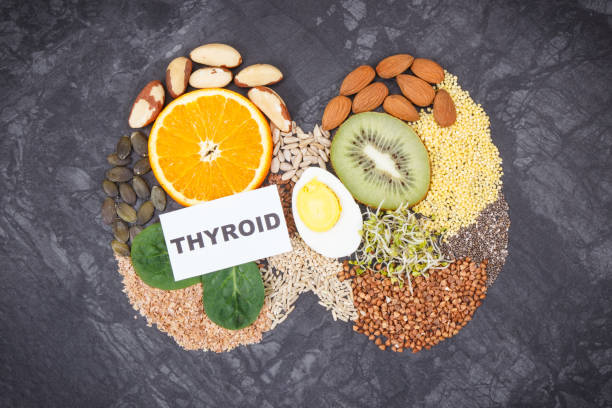
- Lean protein (chicken, fish, eggs)
- Fresh vegetables (carrots, zucchini, bell peppers)
- Fruits (berries, apples, pears)
- Whole grains (quinoa, oats, brown rice)
- Healthy fats (olive oil, avocado, nuts)
Cooking methods:
- Boiling, steaming, and light sautéing preserve nutrients.
- Avoid deep-fried or heavily processed foods.
- Rotate vegetables to avoid excessive raw goitrogen intake.
Sample day meal plan:
- Breakfast: Oatmeal with berries and almond milk
- Mid-morning snack: Boiled egg or handful of nuts
- Lunch: Grilled chicken with steamed vegetables and brown rice
- Afternoon snack: Carrot sticks and hummus
- Dinner: Baked fish with quinoa and roasted zucchini
Should Thyroid Patients Go Gluten-Free, Dairy-Free or Soy-Free?
Diet elimination works best when guided by symptoms and labs. Not everyone needs complete restriction.
When to try elimination:
- Persistent fatigue, bloating, or gut issues
- Autoimmune thyroid conditions like Hashimoto’s
- Poor response to medication
When NOT to eliminate:
- Normal labs and no digestive issues
- No history of autoimmunity
- Risk of nutritional deficiencies from over-restriction
How to track improvements:
- Keep a food diary
- Note changes in energy, weight, and mood
- Monitor thyroid labs including TSH, T4, T3, and antibodies
Supplements & Lab Tests to Support a Thyroid-Friendly Diet
Certain nutrients optimize thyroid function. Timing and dosage are important.
Selenium, Zinc, Vitamin D, Iron, B12
- Selenium supports thyroid hormone conversion and reduces antibodies.
- Zinc regulates TSH and hormone production.
- Vitamin D supports immune balance in Hashimoto’s.
- Iron is critical for thyroid enzyme function but should be spaced from levothyroxine by four hours.
- Vitamin B12 maintains energy and nerve health.
When to Test Iodine Levels & Thyroid Antibodies
- Iodine testing prevents over-supplementation.
- Antibody testing tracks autoimmune activity.
- Regular labs guide dietary adjustments and supplement use
When supplements become harmful
- Excess iodine can trigger hyperthyroidism.
- Selenium over 400 mcg daily can cause toxicity.
- Avoid self-prescribing high doses. Always check labs and consult a doctor.
Most Asked Questions About Thyroid Foods to Avoid
What foods should thyroid patients avoid daily?
Thyroid patients should limit raw goitrogenic vegetables, soy, gluten if autoimmune, high-sugar foods, processed meals, excess caffeine, dairy if sensitive, alcohol, and high-iodine foods. Daily moderation and timing protect hormone balance.
Are eggs good or bad for thyroid?
Eggs are excellent for thyroid patients. They provide protein, selenium, and iodine in safe amounts. They do not interfere with hormone production or medication. Avoid adding excess salt or frying heavily to maintain nutrient value.
Can I drink coffee after taking thyroid medication?
Coffee reduces absorption of levothyroxine if taken too soon. Wait at least 60 minutes after medication before drinking coffee or tea. This ensures hormone levels remain stable.
Should thyroid patients avoid peanuts?
Peanuts contain mild goitrogens. Normal servings are safe for most patients. Avoid large raw portions if iodine intake is low. Roasting reduces goitrogenic activity further.
Are nightshade vegetables harmful?
Nightshades like tomatoes, peppers, and potatoes have mild inflammatory potential. Most patients tolerate them well. Reduce intake only if you notice digestive discomfort or autoimmune flare-ups.
Can fasting worsen thyroid problems?
Extended fasting can reduce thyroid hormone conversion from T4 to T3. Short intermittent fasting usually has minimal effect if medication timing and nutrition are maintained. Consistency in meals supports energy and metabolism.
What breakfast foods should thyroid patients avoid?
Avoid soy milk or soy products close to medication. Skip high-fiber cereals immediately after levothyroxine. Limit processed breakfast pastries and sugary drinks. Opt for eggs, oatmeal, or non-soy plant milk for a balanced start.
Final Words
Managing thyroid health begins with food awareness. Avoid goitrogens in raw excess, soy, high iodine, gluten for autoimmune conditions, and processed or sugary foods. Timing meals and supplements correctly ensures medications work effectively.
Prioritize whole, minimally processed foods. Rotate vegetables. Include lean protein, healthy fats, and safe grains. Use cooking methods that reduce goitrogens and preserve nutrients.
Track symptoms and lab results to understand how your body responds. Adjust intake of dairy, soy, gluten, or iodine-rich foods based on personal tolerance.
With mindful eating, proper timing, and nutrient-rich foods, thyroid patients can support hormone balance naturally. Your daily choices have a direct impact on energy, metabolism, and overall wellbeing.